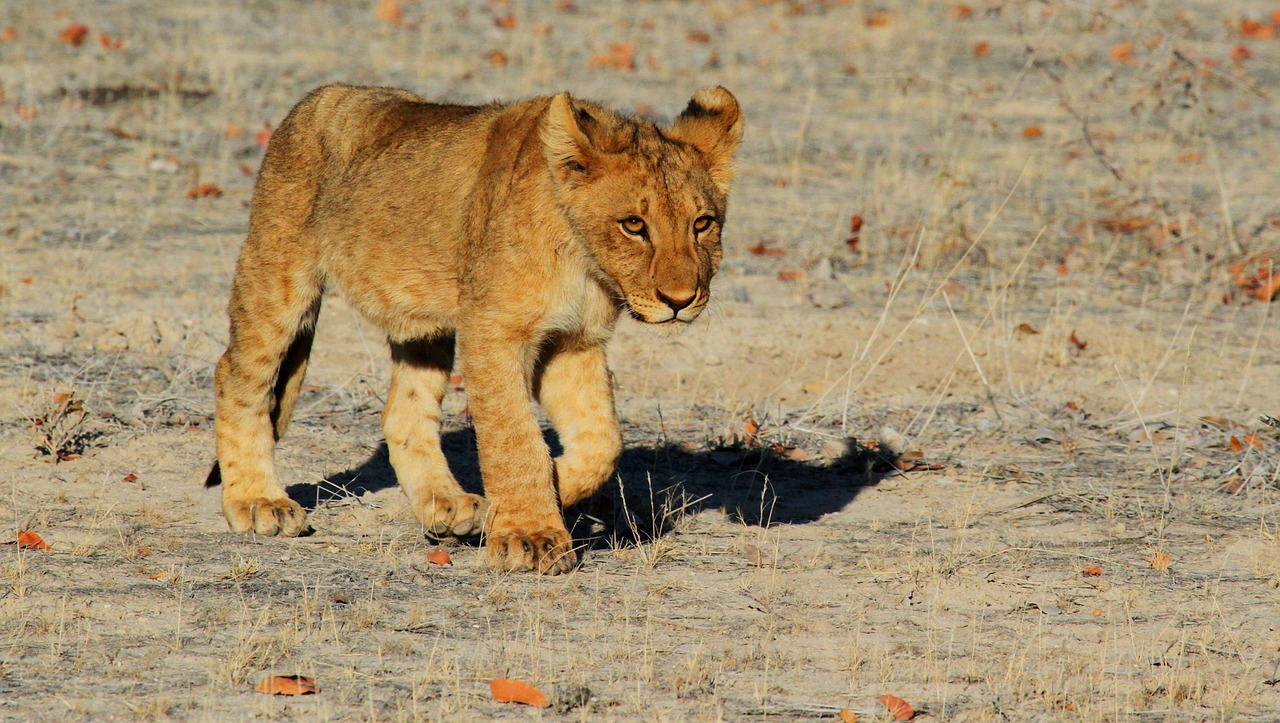
Tourism industry welcomes intended ban on captive lion breeding
SATSA, the voice of inbound tourism, has
welcomed this weekend’s release, by Environmental Affairs Minister Barbara Creecy,
of the High-Level Panel report which advocates putting an end to captive lion
breeding.
The panel was established in August 2018 and concluded its work in December
2020, submitting recommendations on policies, regulatory measures, practices
and policy positions related to hunting, trade, captive keeping, management and
handling of elephant, lion, leopard and rhinoceros.
“We are particularly heartened that the panel shares our view that the captive
lion breeding industry does not contribute to conservation and is doing damage
to South Africa’s conservation and tourism reputation. The department’s
decision to initiate a policy and legislative review to put an end to this
practice as a matter of urgency, could not have come sooner,” says David Frost, CEO SATSA,
which presented its Animal Interaction research, guideline and toolkit to the
high-level panel as part of its efforts to consult with wider industry.
“Our data started to show us that the perception that tourist attractions
offering animal interactions were unethical, held the power to tarnish the
international reputation of South Africa and severely impact on the tourism
industry. If not addressed, we would need to spend extra effort and resources
to simply maintain South Africa’s reputation and tourism brand in international
markets,” says Frost.
To this end, and after a lengthy and wide-ranging consultation process and
research study, SATSA developed an Animal Interaction Guide and Toolkit in 2019
aimed at assisting owners of captive wildlife experiences, visitors and buyers
in making informed decisions based on sound ethics to support good practice
only.
“We presented to the panel, an Integrative Approach which was locally born,
locally relevant, African-philosophy-linked and Constitutional Court endorsed,”
explains Keira Powers,
SATSA Board Member and Head of the Animal Interaction Committee.
“For tourism’s sustainability, all that matters is what our key source markets
think. In our research, we reviewed what would secure South Africa the best
tourism returns in the long-term future based on the value of tourism to jobs
and the economy. It was clear that this lay in Africa’s USP, its wildlife and
communities, and that the shift in public sentiment away from exploitation of
animals for our enjoyment is real and has come to bear on our tourism industry
and product,” says Powers.
Critical aims in SATSA’s guidelines included:
- To mediate between short term commercial gain and self-interest and longer-term conservation and sustainability interests
- To put South Africa as the front of ethical travel destinations, thereby positively contributing towards growing the industry
- To maintain and enhance the value of the tourism wildlife economy by guiding and providing comfort to consumers/tourists in their decisions
- To enhance social co-benefits such as job creation and preservation of species for future generations
- To improve the welfare of wild animals in captivity and identify activities and hence attractions that are considered unacceptable.
- Having an accepted, endorsed and tested ethical framework to measure assessment against brings consistency and timelessness to any decisions made now or in the future
SATSA
shares Minister Creecy’s view that implementing these recommendations will
result in the protection and enhancement of South Africa’s international
reputation, repositioning the country as an even more competitive destination
of choice for ecotourism and responsible hunting.
This “new deal for people and wildlife in South Africa” bodes well for tourism
in South Africa, Frost adds. “We have an opportunity to play a leading role
globally in defining a shared vision for the sector, enhancing human-wildlife
co-existence and extending the benefit sharing for communities living on the
edges of protected areas, while ending inhumane and irresponsible practices
that greatly harm the reputation of South Africa.”
“We look forward to the recommendations being formalised in the Biodiversity
and Sustainable Use Policy. In the interim, as stipulated by the panel report,
SATSA is pleased to note the recommendation that the protocol be developed
based on the panel’s collective recommendations which includes protection of
the wildness of our iconic species and their welfare and well-being, through
elements of interaction tourism as indicated by SATSA’s guidelines,” Frost
concludes.
The HLP Report can be
viewed here
while SATSA’s Animal Interaction Guidelines can be accessed here.
Kind regards,
Natalia Rosa