Feedback from SATSA National Conference 2019
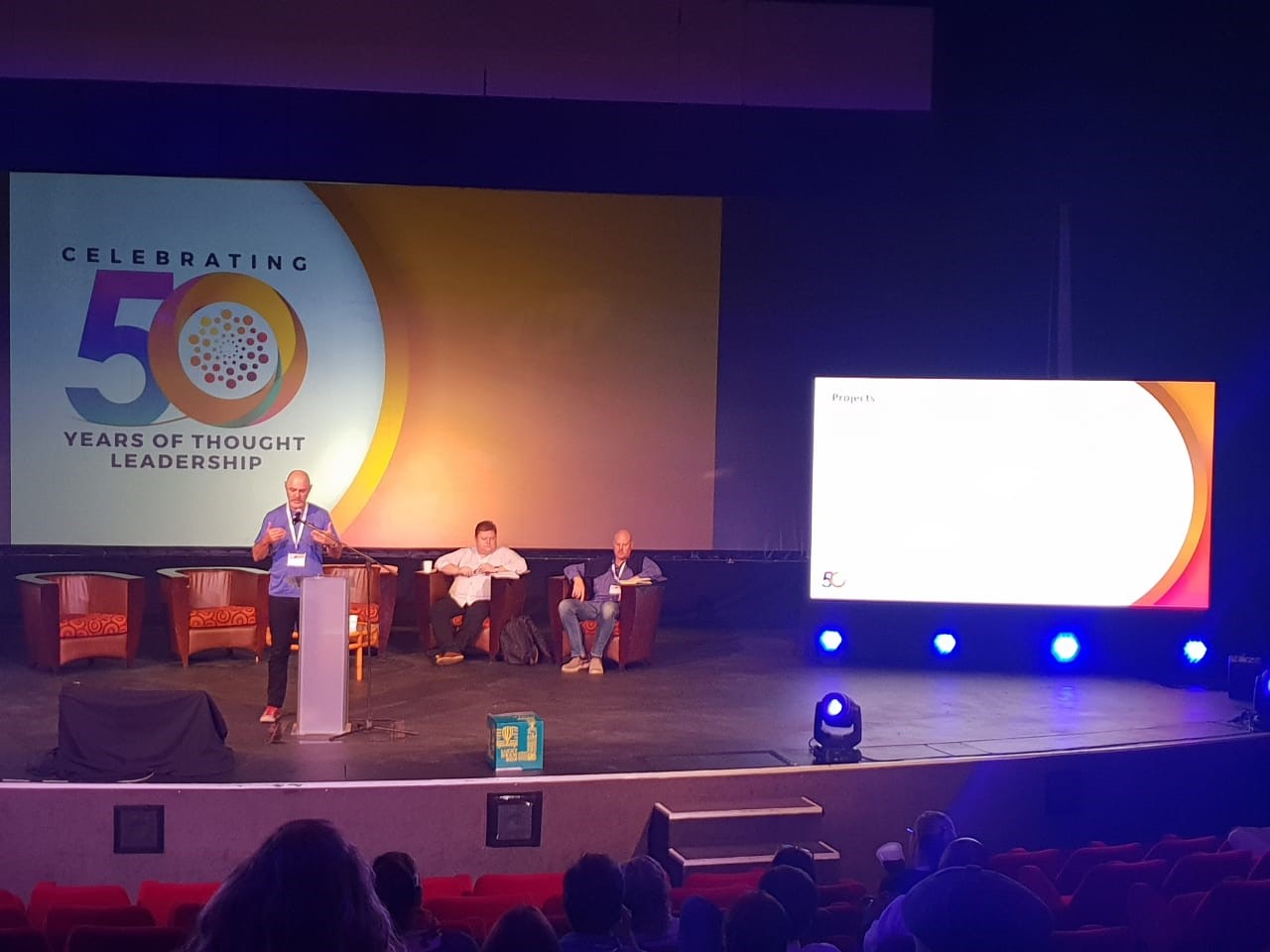
This year Southern Africa Tourism Services Association (SATSA) held its annual conference at Wild Coast Sun in the Eastern Cape from 9 – 11 July. About 300 delegates representing the private and public sectors attended the conference, in what is the organisation’s 50th year of operation. This year the format changed somewhat from previous years which were primarily a series of panel discussions on various tourism related topics led by industry leaders. This year the format was a mixture of addresses by keynote speakers interspersed with interesting panel discussions. Due to the National Tourism Budget Debate being scheduled in Parliament for 10th July, the Minister of Tourism, traditionally the keynote speaker at most SATSA conferences, was unable to attend. South African Tourism did provide some insight into the current state of tourism in the country as well as a progress report on SAT’s 5 in 5 strategy (increasing the base of tourism by five million arrivals in five years, which commenced in 2017). Sadly arrival figures from most of our traditional source markets are not showing significant growth; and some cases there has been a decline in numbers. Tshifhiwa Tshivhengwa, CEO of Tourism Business Council of South Africa, discussed TBCSA’s 2030 vision (doubling tourism numbers by 2030) and reiterated that previously disadvantaged communities had to see the benefits tourism offer in order for it to grow. Tourism enterprises were encouraged to participate in the collection of the TOMSA levy in order increase the number of skilled entrants into the industry. Jacko Maree, the President’s Special Envoy on Investment and Deputy Chair of Standard Bank Group, addressed the delegates and was very upbeat about South Africa’s future. This was followed by an extremely interesting presentation by Australian Tourism Export Council’s Peter Shelley, highlighting how, when the private sector and public sector (national, state and local) work co-operatively, off the same hymn sheet, to promote a tourism destination the benefits in terms of increased tourist numbers are immediately obvious. Much research and money goes into the planning and execution of marketing campaigns with all the role players in the industry being consulted. Other interesting topics covered included how Wesgro, the Official Tourism, Trade & Investment Promotion Agency for Cape Town and the Western Cape; together with other government agencies and the private sector has successfully grown the number of international flights into Cape Town International Airport, thereby significantly benefitting the tourism industry in the region. A presentation on the second day of the conference by Colin Bell and Paul Zille of the Tourism Conservation Fund highlighted the urgent need to grow the tourism economy on the edge of conservation areas such as Kruger National Park. Colin Bell issued the chilling warning that unless the vast population, many of the people unemployed, living on the edge of these conservation areas, do not start benefitting from tourism spend in these areas; poaching for survival will increase as will incursions into the parks in order to find suitable grazing for livestock. KLCBT’s President, Oupa Pilane was a panelist on the discussion on Regional Growth Strategies where tourism opportunities in less visited areas were discussed. Such opportunities existed in Mpumalanga but needed buy in from both the public and private sectors. Issues such as the state of the public attractions and roads in Mpumalanga also came under the spotlight, as did the recent strike at MTPA managed reserves as well as protest action affecting important tourism routes, with several tour operators stating that unless there was a change in attitude and that uncertainty reduced, they may be forced to change their itineraries to exclude the panorama route, or worse drop Mpumalanga completely. Sadly the agency responsible for tourism in Mpumalanga was not represented at the conference, Kruger Lowveld Tourism will however be engaging with them as well as the Provincial Government in the hope that issues raised at the conference could be addressed.